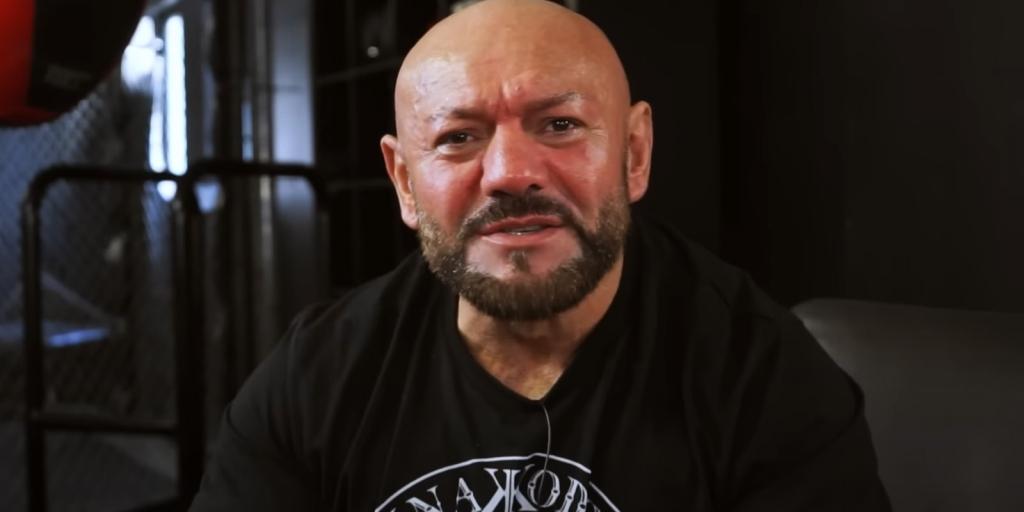
Bözemann's Journey: From Stuttgart Roots to Rap Stardom
The German rap landscape is a vibrant, often tumultuous realm, and few artists embody its raw energy and controversial spirit quite like Bözemann. Hailing from the bustling city of Stuttgart, this artist has carved out a unique niche, known not only for his distinctive flow and potent lyrics but also for a career marked by highly publicized beefs, intriguing personal claims, and an unwavering commitment to his authentic street persona. While the details of his life often remain shrouded in an air of mystery, particularly regarding his exact birthdate, his profound impact on the scene is undeniable. For many fans, the question of Bözemann Alter – his age – is a recurring point of curiosity, underpinning the longevity of his provocative career.
The Stuttgart Foundation: Roots and Early Influences
Bözemann's narrative begins in Stuttgart, a city that profoundly shaped his identity and artistic direction. Born with Kosovarisch-Albanian roots, his upbringing was a blend of rich cultural heritage and the realities of urban life in the Swabian metropolis. These formative years proved crucial, imbuing him with a perspective that would later define his lyrical content and uncompromising demeanor. Early on, Bözemann found himself drawn to the burgeoning hip-hop scene in Stuttgart, a powerful magnet for expression and identity in the late 20th century. He candidly admits to breaking off his schooling after the eighth grade, viewing it as a "waste of time" – an early indicator of his independent spirit and unconventional path.
His musical palate was diverse, drawing inspiration from both American pioneers and German trailblazers. Icons like Ice-T, known for his gritty storytelling and street narratives, served as significant role models. Domestically, he looked up to hardcore acts like Rödelheim Hartreim Projekt, whose raw authenticity resonated deeply. Interestingly, even local legends like Die Fantastischen Vier, despite their often more lighthearted approach, left their mark on the young artist. This eclectic mix of influences laid the groundwork for a rapper who could oscillate between hard-hitting street anthems and more introspective, emotionally charged tracks.
Bözemann's early life wasn't without its significant challenges, which he has openly integrated into his narrative. He claims to have experienced his first incarceration as early as 14, though a later 2008 interview cited 18 as the age of his initial arrest. Regardless of the exact timing, it was within these confines that he discovered a potent new outlet: battlerapping. The prison yard became his stage, a crucible where he honed his verbal sparring skills, reportedly not shying away from threatening violence if provoked. It was here, amidst the harsh realities of incarceration, that he even encountered and rapped for German rap titan Moses Pelham, a testament to his burgeoning talent. These experiences, coupled with his controversial claim of serving as a volunteer sniper in the Kosovo War, became cornerstones of his self-fashioned image as an authentic, battle-hardened street rapper. His story underscores how adversity can often forge the most compelling artistic identities.
The Eruption of Controversy: Beefs, Disstracks, and Public Scrutiny
While his roots were deeply laid in Stuttgart and his early life shaped his persona, Bözemann’s public career truly took flight around 2006. After a period away from the public eye, he re-emerged, performing regularly and quickly establishing himself as a force to be reckoned with. The years 2007 and 2008 marked a pivotal phase, as he gained notoriety not just for his music, but for his provocative statements and high-profile feuds. His beef with Massiv became a defining moment of this era, escalating into a widely discussed and deeply controversial public dispute.
The apex of this conflict was the 2007 disstrack, "Die Herausforderung." The accompanying music video sparked a massive controversy due to its depiction of a Star of David on a fictional grave, leading to immediate accusations of antisemitism. The incident didn't go unnoticed by authorities, prompting a seven-month investigation by the State Security of Baden-Württemberg on charges of incitement to hatred. While the investigation was ultimately dropped, the controversy left an indelible mark on Bözemann’s career, solidifying his image as an artist unafraid to push boundaries, even at great personal and professional risk. This incident, discussed further in Bözemann's Provocative Career: Beefs, Box Fights, and Impact, highlights the thin line between artistic expression and public offense.
Despite the controversies, or perhaps fueled by them, Bözemann released his debut album, "Das Böze in dir," in late 2008. The album featured the poignant track "Bitterkalt," an emotional exploration of toxic relationships that quickly became his most recognized song from the project, accumulating over 1.7 million views on its music video. The album's release, however, did not signal a retreat from conflict. Instead, it ushered in an unparalleled series of beefs with some of the biggest names in German rap, including Kolja Goldstein, Arafat Abou-Chaker, and Farid Bang. This calculated strategy of provocation became a hallmark of his career, a testament to his mastery of using public disputes as a means of staying relevant and dominating headlines. For aspiring artists, Bözemann's approach offers a cautionary tale and a lesson in calculated brand management: while controversy can garner immense attention, it also carries significant reputational risks.
Beyond the Mic: Box Fights and Evolving Persona
The evolution of Bözemann's public persona reached new heights in May 2022 when a long-simmering and particularly heated beef with fellow rapper Sinan-G culminated not in a disstrack, but in a highly anticipated boxing match. This physical confrontation transcended the lyrical battles typical of hip-hop, drawing massive public interest and generating headlines, particularly due to the tumultuous scenes and altercations that erupted around the ring. The event symbolized a growing trend in the rap world, where artists are increasingly stepping into combat sports to settle scores or simply to expand their brand beyond music.
This shift from verbal warfare to actual physical contests represents a fascinating development in entertainment. For Bözemann, it reinforced his image as a no-nonsense, street-credible artist who walks the talk. It blurred the lines between performer and fighter, between entertainment and genuine, high-stakes conflict. Such public displays, while incredibly effective at capturing attention, also underscore the immense pressure and scrutiny artists face, demanding a level of authenticity that few are willing or able to maintain. His willingness to engage in such high-stakes encounters demonstrates an unwavering commitment to his chosen path and the persona he has meticulously crafted over decades.
Unraveling the Enigma: The Question of Bözemann Alter and His Enduring Impact
One of the most persistent questions surrounding Bözemann remains the specifics of his personal life, particularly his birthdate. Unlike many public figures, his birthday has never been publicly disclosed, adding to the enigmatic aura that surrounds him. However, drawing upon available information gleaned from various interviews and public statements, an estimation of his birth year has been made. It is widely believed that Bözemann was born around 1979 or 1980. This estimation allows us to project his age with reasonable accuracy.
Based on this estimate, by the year 2026, Bözemann Alter is anticipated to be between 46 and 47 years old. This age places him among the more seasoned veterans of the German rap scene, an artist who has not only witnessed but actively participated in the genre's evolution over several decades. His longevity is a testament to his enduring appeal and his ability to adapt, yet remain true to his core identity. Even as he matures, his provocative edge and willingness to challenge the status quo have not diminished, allowing him to maintain relevance in a youth-driven industry.
Bözemann's unique career trajectory – from his Stuttgart roots and early brushes with the law to becoming a master of controversy and a participant in high-stakes boxing matches – has left an undeniable mark on German rap. He stands as a prime example of an artist who built a brand on authenticity, even when that authenticity meant courting controversy and facing public scrutiny. His ability to fuse raw street narratives with a strategic understanding of media and public attention has ensured his place as one of the most compelling and discussed figures in the genre. For a deeper dive into his estimated birth year and projections for the future, you can read more at Bözemann Alter: His Estimated Birth Year and 2026 Outlook.
In conclusion, Bözemann's journey is a compelling narrative of resilience, provocation, and unwavering commitment to an authentic self. From the streets of Stuttgart to the rap battlegrounds and even the boxing ring, he has consistently defied expectations and cemented his legacy as a unique, controversial, and enduring figure in German hip-hop. The mystique around his personal details, including the often-asked question of his Bözemann Alter, only adds to the intrigue of an artist who has, against all odds, maintained his sharp edge and relevance in an ever-changing industry.