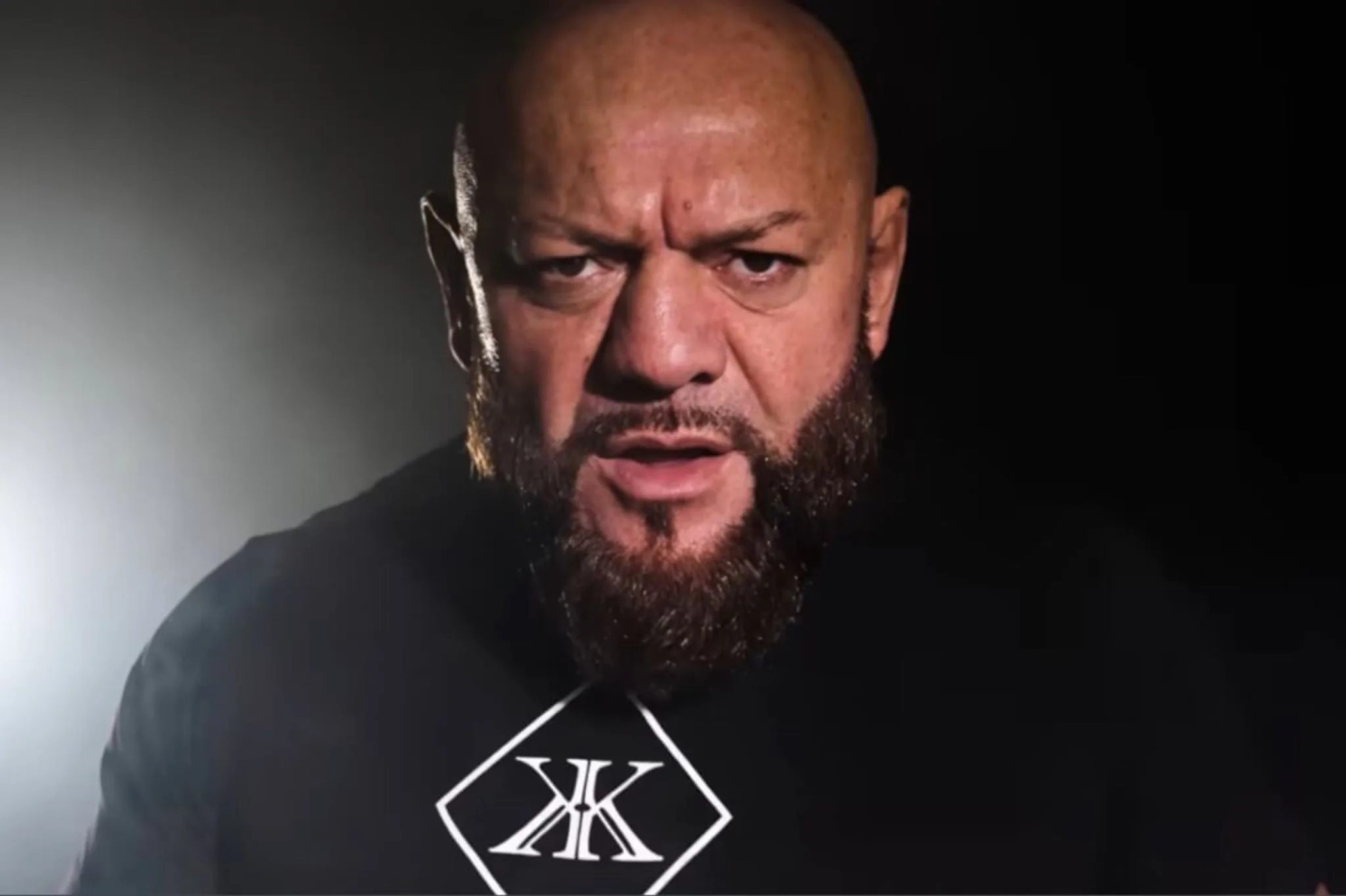
Bözemann's Provocative Career: Beefs, Box Fights, and Enduring Impact
In the vibrant and often tumultuous landscape of German hip-hop, few figures command attention quite like Bözemann. Hailing from Stuttgart with proud Kosovar-Albanian roots, Bözemann has carved out a controversial yet undeniably impactful career defined by audacious beefs, unexpected box fights, and an unyielding commitment to his authentic, unfiltered persona. His journey from the streets of Baden-Württemberg to the center stage of rap conflicts has made him a compelling figure, challenging norms and captivating audiences.
While specific personal details, such as his exact birthday, remain private, available information from interviews suggests his birth year is around 1979/1980. This estimation means that by 2026, discussions around Bözemann Alter will place him between 46 and 47 years old, highlighting his remarkable longevity and continued relevance in a genre often associated with youth. This article delves into the defining moments of Bözemann's career, exploring how his calculated provocations and willingness to step into the ring have cemented his legacy.
From Stuttgart Streets to Rap Stardom: Bözemann's Formative Years
Bözemann’s distinctive sound and uncompromising attitude are deeply rooted in his formative years. Growing up in the bustling city of Stuttgart, his Kosovar-Albanian heritage provided a unique cultural lens through which he viewed the world. It was in this urban environment that he first encountered the burgeoning hip-hop scene, which would ultimately become his chosen path.
Early on, Bözemann found academic pursuits to be a "waste of time," leading him to drop out of school after the eighth grade. His musical inspirations were diverse, drawing from American pioneers like Ice-T and influential German acts such as Rödelheim Hartreim Projekt and even local legends Die Fantastischen Vier. These influences helped shape his understanding of raw storytelling and lyrical prowess.
His path was not without its challenges. Bözemann has openly spoken about early encounters with the legal system, with conflicting accounts placing his first incarceration at either 14 or 18 years old. It was during these periods of confinement that he honed his craft, discovering battlerapping as a powerful outlet for expression. He vividly recounts engaging in fierce lyrical duels in prison yards, even threatening violence when disrespected. A particularly notable anecdote involves Bözemann rapping for industry veteran Moses Pelham during his own period of incarceration, a testament to his undeniable talent even then.
Adding another layer to his complex biography, Bözemann has claimed to have served as a volunteer sniper during the Kosovo War following his release from prison. While details remain unverified, these alleged experiences significantly contribute to his carefully cultivated image as an authentic "street rapper," a persona built on grit, resilience, and a life lived on the edge. This blend of urban upbringing, early struggles, and claims of wartime experience forged the foundation of the artist he would become. For more on his early life, discover Bözemann's Journey: From Stuttgart Roots to Rap Stardom.
The Art of Provocation: Beefs, Disstracks, and Public Scrutiny
Bözemann's entry into the public eye as a rapper truly began around 2006, marking the start of a new, highly visible phase of his career. However, it was between 2007 and 2008 that he catapulted into wider recognition, largely through his highly provocative "ansagen" (call-outs) and a defining beef with fellow rapper Massiv. This conflict became a central talking point in the German hip-hop community, establishing Bözemann as a fearless and confrontational artist.
The release of his 2007 disstrack "Die Herausforderung" (The Challenge) was particularly controversial. The accompanying music video, which featured a Star of David on a fictional grave, ignited accusations of antisemitism. This led to a seven-month investigation by the Baden-Württemberg state security for incitement of hatred, a serious charge that could have derailed his career. Although the investigation was eventually dropped, the incident left an indelible mark, solidifying Bözemann's reputation as a boundary-pusher willing to court extreme controversy for his art.
Despite the uproar, Bözemann continued to build his discography. His debut album, "Das Böze in dir" (The Evil in You), released in late 2008, showcased a different facet of his artistry. The album's most popular track, "Bitterkalt" (Bitter Cold), an emotional exploration of toxic relationships, demonstrated his ability to craft compelling narratives beyond pure conflict. The song's music video alone has garnered over 1.7 million views, proving his appeal extended beyond his beefs.
Yet, the strategy of conflict remained central to his brand. Following his debut album, Bözemann embarked on an unprecedented series of beefs with prominent figures in the German rap scene, including Kolja Goldstein, Arafat Abou-Chaker, and Farid Bang. These highly public spats became a trademark of his career, a calculated game for attention that Bözemann mastered like few others. His ability to provoke, engage, and dominate these public confrontations cemented his status as a unique and often polarizing force in German hip-hop.
Beyond the Mic: The Escalation to Box Fights and Physical Confrontation
As the rap landscape evolved, so did Bözemann's approach to conflict. While lyrical battles and disstracks remained a staple, his career took an unprecedented turn towards physical confrontation, most notably in the form of celebrity box fights. This new dimension added a raw, tangible element to his long-standing feuds, proving that his challenges weren't merely rhetorical.
The most high-profile instance of this escalation occurred in May 2022, when Bözemann stepped into the boxing ring against fellow rapper Sinan-G. The fight was the climax of an intensely public and often volatile beef, drawing massive attention from both rap fans and the broader public. The event itself was fraught with tension, with tumultuous scenes reported around the ring, further fueling headlines and cementing its place as a significant cultural moment. For many, it represented the ultimate form of settling a score – not just with words, but with fists.
This pivot to box fights can be seen as a strategic evolution for Bözemann. In an era where digital beefs can sometimes feel abstract, physical confrontations offer an undeniable authenticity and a clear, albeit brutal, resolution. It's a testament to his commitment to his "street rapper" image, demonstrating a willingness to back up his words with actions. These fights not only generate immense media buzz and pay-per-view revenue but also resonate with an audience that values raw courage and decisive action.
The trend of rappers and influencers engaging in combat sports has grown, and Bözemann was arguably a trailblazer in bringing this level of physical confrontation into the mainstream German hip-hop discourse. It solidified his reputation not just as a lyrical provocateur, but as a genuine fighter, blurring the lines between entertainer and combatant, and further distinguishing him from his peers.
Bözemann's Lasting Impact and the Future of a Maverick
Bözemann’s career is more than just a series of controversies; it’s a masterclass in building a brand through authenticity and strategic provocation. His impact on the German hip-hop scene is undeniable. He's not just a rapper; he's a cultural phenomenon who has consistently pushed boundaries, both lyrically and physically. His unwavering commitment to his unfiltered persona, forged from his Kosovar-Albanian roots and Stuttgart upbringing, has resonated deeply with a segment of the audience that values raw truth over polished facades.
His legacy is one of unapologetic confrontation, where beefs are not just for show but integral to his artistic expression. From the heated exchanges with Massiv and the legal fallout of "Die Herausforderung" to the highly anticipated box fights with rivals like Sinan-G, Bözemann has consistently leveraged conflict to maintain relevance and drive conversation. He embodies the spirit of the "battle rapper" in its most extreme form, willing to escalate verbal sparring into real-world physical encounters.
As discussions about Bözemann Alter continue, with estimates placing him in his mid-40s by 2026, his ability to remain relevant and provocative in a rapidly evolving music landscape is a testament to his unique brand. While many artists of his generation might fade or temper their approach, Bözemann appears to thrive on the very friction he creates. The question for the future remains: will he continue to innovate within the realm of conflict, or will his maturation lead to new artistic directions? Regardless, his place as a defining, albeit controversial, figure in German rap is secure.
Conclusion
Bözemann stands as a towering and complex figure in German hip-hop, a true maverick whose career has been forged in the fires of controversy and personal combat. From his early days shaped by Stuttgart's streets and Kosovar-Albanian heritage, through defining beefs and legal challenges, to the unprecedented spectacle of rap-on-rap box fights, he has consistently defied expectations. His commitment to authenticity, even when it leads to extreme provocation, has cemented his unique position. Bözemann's impact lies not just in his music, but in his unyielding spirit that continues to challenge, entertain, and provoke, leaving an indelible mark on the cultural landscape.